
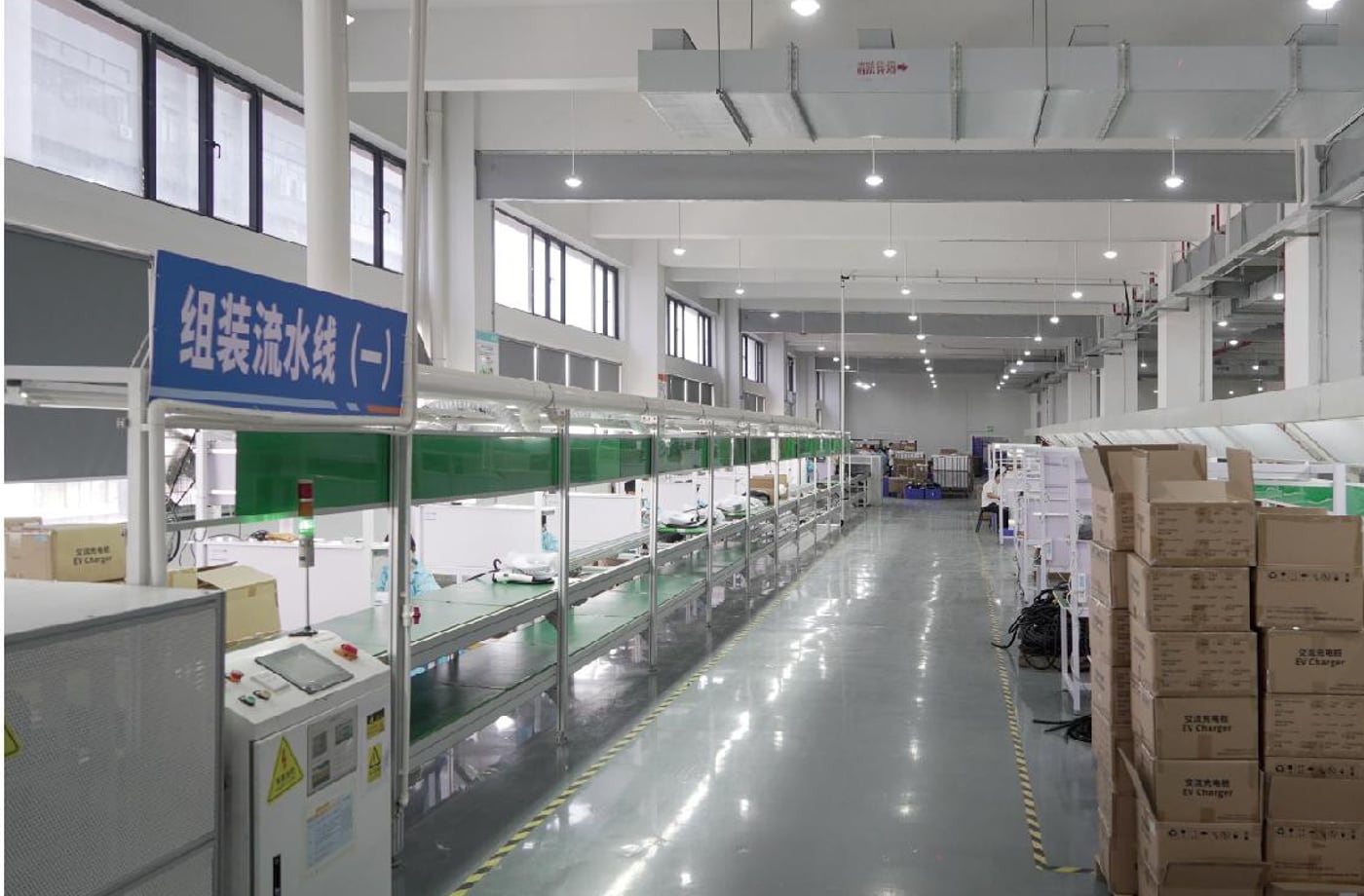
The short answer: define the configuration before asking for price
A useful EV connector RFQ lets every supplier quote the same released requirement set. If the request says only âType 2, 32 Aâ or âCCS2 cable,â the quotation will be filled with hidden assumptions about market, duty cycle, cable, evidence, packaging and project timing. The lowest number may simply describe the smallest scope.
Use the twelve inputs below to freeze what is being quoted, then score each reply for completeness. This is a procurement preparation tool, not certification, legal or market-entry advice. Applicable standards, evidence and acceptance criteria still need qualified review for the exact product, configuration and destination market.
A configuration-complete RFQ reduces assumptions between quotation, sample approval and production release.
The 12 RFQ inputs
| Input | What to state | Why it changes the quotation |
|---|---|---|
| 1. Buyer decision | Prototype, pilot, replacement source or production program | Sets the expected response depth |
| 2. Target market | Countries and intended sales route | Defines which evidence questions must be reviewed |
| 3. Interface | Vehicle and equipment-side interface, plus mating counterpart | Prevents a family name from hiding a different mechanical definition |
| 4. Electrical envelope | Voltage, current, phase or DC operating range and normal duty | Connects the offer to the intended operating profile |
| 5. Cable build | Length, conductor basis, jacket preference and equipment-side termination | Affects material, handling and assembly scope |
| 6. Environment | Indoor/outdoor use, ambient range, handling and exposure assumptions | Frames material and validation discussions |
| 7. Mechanical options | Latch, lock, cap, holster, strain relief and enclosure interfaces | Avoids accessory omissions |
| 8. Sensing or cooling | Required architecture and system owner, when applicable | Prevents features from being assumed from a connector name |
| 9. Evidence pack | Drawings, report index, traceability example and proposed standards/editions | Makes document scope visible before sample approval |
| 10. Branding | Color, logo, label content, language and packaging inputs | Separates private-label work from the base assembly |
| 11. Quantity profile | Prototype quantity, first order and forecast range | Lets the supplier state tooling and supply assumptions without inventing commitments |
| 12. Project gates | Target dates for drawing review, sample, validation and release | Turns a requested delivery date into a reviewable sequence |
IEC 62196-1 defines general requirements for conductive charging connection accessories, while interface-specific parts address different connector families. The procurement lesson is narrow: name the proposed interface and applicable document set instead of treating âEV connectorâ as one interchangeable specification. Configuration management guidance in ISO 10007 likewise supports identifying and controlling configuration information across a lifecycle. Neither source proves a particular product; both support a disciplined request structure.
Build a one-page configuration identity card
Put the highest-impact fields on one page and assign it a revision. The card should travel with the quotation, drawing, sample feedback and evidence index.
Minimum identity card
- RFQ reference and revision;
- buyer company and project contact;
- target market and intended use;
- connector and mating interface;
- electrical envelope and duty description;
- cable length, construction basis and termination;
- required options, sensing or cooling boundary;
- requested evidence and document language;
- prototype, launch and volume context;
- list of open assumptions.
When one field changes, ask the supplier to identify which price, drawing, sample, evidence or date is affected. Do not let an email instruction silently replace the controlled RFQ.
Score quotation completeness before comparing price
Use a 0â2 score for each of six gates:
| Gate | 0 â missing | 1 â assumption | 2 â explicit and traceable |
|---|---|---|---|
| Configuration match | No model or configuration identity | Family-level model only | Exact offered build linked to the RFQ revision |
| Scope | Deliverables unclear | Several exclusions implied | Included and excluded items listed |
| Evidence | Generic claim or document title | Evidence promised later | Proposed document index mapped to configuration |
| Change control | No revision method | Informal email updates | Drawing, sample and RFQ revisions linked |
| Commercial context | Headline price only | MOQ or timing partly stated | Quantity basis, validity and timing assumptions stated |
| Next gate | No action | âConfirm laterâ | Named drawing, sample or review step with owner |
Interpretation: 10â12 means the response is ready for engineering and commercial comparison; 7â9 means clarify assumptions before ranking; 0â6 means the price is not yet comparable. This score is a workflow aid, not a supplier certification or product-quality rating. A single critical mismatchâsuch as the wrong interface or unidentified configurationâshould stop the comparison even if the total looks acceptable.
Separate facts, assumptions and options
A strong quotation response uses three columns:
- Confirmed requirement â copied from the RFQ revision.
- Supplier assumption â a temporary interpretation that needs buyer confirmation.
- Optional alternative â a clearly separated configuration with its own effect on scope.
This prevents an attractive option from quietly becoming the baseline. It also creates a cleaner handoff: accepted assumptions can be incorporated into the next RFQ or drawing revision, while rejected options disappear without contaminating the released scope.
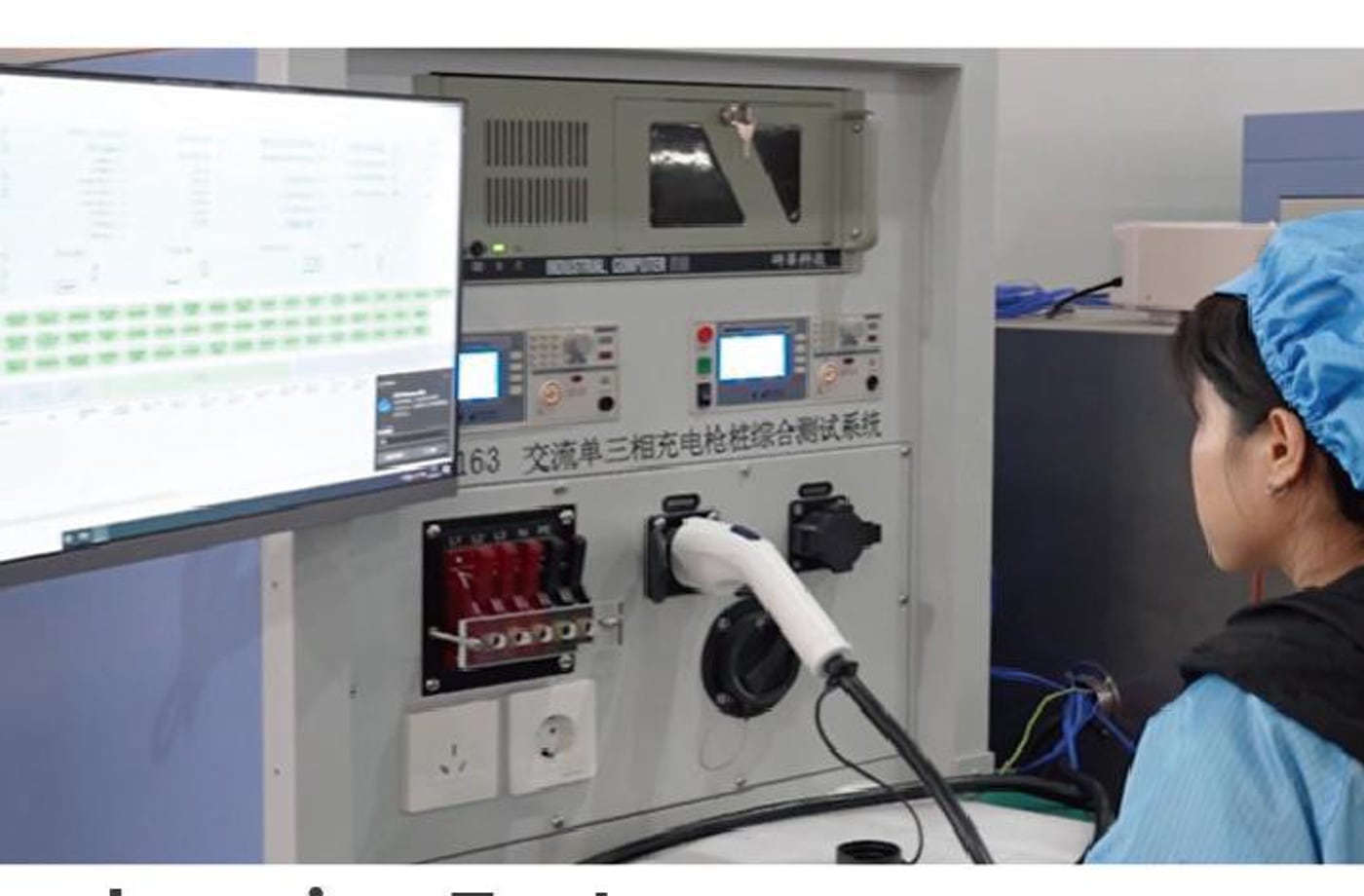
Evidence becomes useful when the tested setup, document revision and offered configuration can be matched.
Ask for an evidence index, not a certificate folder
Request a simple index with document title, identifier, revision or date, tested model/configuration, applicable market or standard, status and limitation. This does not ask the supplier to prove compliance in the quotation. It reveals whether each document can be mapped to the offered build and what still requires specialist review.
For a deeper technical review after the RFQ is stable, use the AC vs DC connector evidence matrix. For broader supplier qualification, use the portable EV charger OEM evidence gates. These pages own different decisions; the RFQ checklist owns input completeness before quotation comparison.
Red flags that make two quotations non-comparable
- the supplier quotes a family name but does not identify the offered revision;
- current or power appears without the cable, duty and environmental assumptions;
- required accessories, labels, packaging or equipment-side termination are omitted;
- a document is listed without mapping it to the quoted build;
- prototype and production quantities use one price without stated basis;
- delivery timing starts before drawing, sample or evidence review is defined;
- an alternative configuration is substituted without a separate line and explanation.
Do not average these gaps into a supplier score. Clarify the scope first, then compare total requirements and risk.
Turn the checklist into a controlled supplier conversation
Send SUPERGENIE the twelve inputs, the current RFQ revision and the assumptions you want challenged. Use the configuration-linked RFQ form so the inquiry retains the article and campaign context.
The goal is not a longer RFQ. It is a shorter path to a quotation that procurement, engineering and the supplier all understand the same way.